


After a corporate training session, you’ve probably heard something like this:
“It was interesting, but I’ll probably forget most of it by next week.”
Unfortunately, that comment isn’t far from reality. Research on the “forgetting curve” by psychologist Hermann Ebbinghaus shows that people forget up to 80% of what they learn within a week if there’s no reinforcement. In other words, most of what companies invest in training, sometimes hundreds of hours and thousands of dollars, fades away long before it has an impact on performance.
At SkillTeam, we’ve seen this story repeat itself across industries. Companies care deeply about upskilling their people. HR teams spend months building programs. Managers send their teams to workshops. Yet, real behavioral change rarely happens.
So why do most training programs fail, and what can organizations do differently?
1. Training isn’t linked to real business goals
One of the primary reasons training fails is that it is often designed in isolation from the organization’s actual challenges. Many programs start with the question “What should employees learn?” instead of “What do we need employees to do differently after learning this?”
When training doesn’t connect to a clear business outcome, better quality, improved safety, faster onboarding, higher customer satisfaction, it becomes theoretical. Employees might find the content interesting but fail to see its relevance in their daily work.

The result is predictable: people attend sessions, nod politely, and then return to doing things the way they always have.
To change this, companies need to start every learning initiative with a clear behavioral objective. Ask: What specific actions or skills should employees demonstrate as a result of this program? Once that goal is defined, training content and assessment methods can be built around it. Learning then becomes a tool for solving real problems, not just a box to check.
2. Long, one-off sessions don’t fit how adults actually learn
Traditional corporate training still looks like a classroom: a three-hour workshop, a full-day seminar, or a 45-minute e-learning module that feels endless. These formats assume that attention and memory work like storage drives you can load information into once, and it stays there forever.
But that’s not how the human brain works. Adults learn best in short, focused bursts followed by opportunities to apply new knowledge immediately. Cognitive science calls this “spaced repetition.” We remember more when we learn a little at a time and revisit it regularly.
The alternative is microlearning: short, structured lessons that fit into the rhythm of daily work. Imagine five-minute learning moments that employees can complete on their phones while commuting, waiting for a meeting, or taking a short break. Each micro-lesson reinforces one key skill or piece of knowledge, followed by a quick quiz or challenge to put it into action.
It’s not about making training shorter for the sake of convenience, it’s about making learning more compatible with how people actually behave and absorb information.
When done right, microlearning can increase retention by up to 80% compared to traditional formats. More importantly, it builds a learning habit instead of a one-time event.
3. Training without engagement is just information transfer
Too many programs rely on one-way delivery: slides, videos, or lectures. Learners sit, listen, read, and click “Next.” But real learning doesn’t happen through passive consumption, it happens through engagement, feedback, and emotional connection.

When learners are bored or disengaged, they may complete the module, but they won’t internalize it. That’s why gamification and social learning are not “nice extras,” they’re essential components of effective learning design.
Gamified learning introduces challenges, levels, leaderboards, and instant feedback to keep learners motivated. It taps into intrinsic drives like curiosity and competition. When employees can see their progress, compare achievements, and celebrate wins, learning becomes something they want to do, not something they have to do.
In one Deloitte study, gamified training led to a 60% increase in engagement and completion rates. The psychology is simple: people love progress. Turning learning into a continuous game-like experience keeps them coming back.
4. Lack of measurement and feedback loops
You can’t improve what you don’t measure. Yet many training programs still rely on attendance lists and satisfaction surveys (“Did you enjoy the session?”) as their only success metrics. Those are indicators of participation, not performance.
Effective training strategies use clear, measurable outcomes. For example:
- How much did employees’ knowledge or confidence improve after the course?
- How has their behavior changed on the job?
- Are we seeing measurable results in productivity, safety, or quality after training?
With the right learning platform, these metrics can be tracked automatically through analytics dashboards. Companies can see which modules are most effective, which departments engage more, and where reinforcement is needed.
This data-driven approach turns L&D from a cost center into a performance driver. It also builds credibility with leadership when you can prove the impact of learning; it’s no longer viewed as an expense but as an investment with measurable ROI.
5. Learning is treated as a one-time event instead of a continuous process
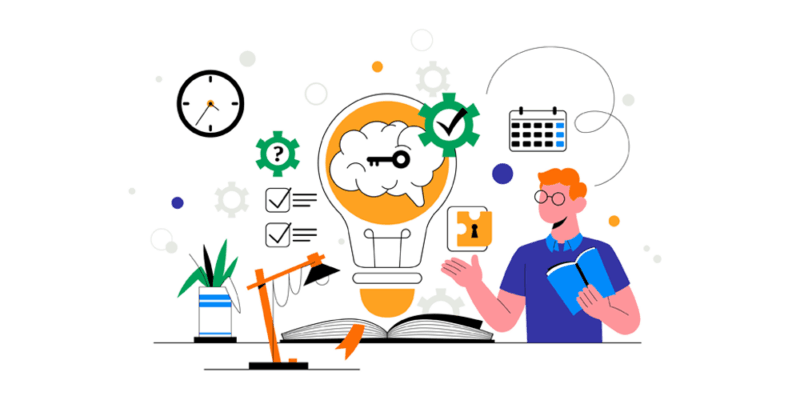
Many organizations still view training as a standalone event, a workshop, a course, a single campaign that happens once or twice a year. After that, employees are expected to retain and apply everything on their own.
The truth is, effective learning is not an event. It’s an ecosystem.
Skills fade over time unless they’re practiced and reinforced. That’s why learning needs to be embedded in the daily workflow and connected to career development paths.
When learning is continuous, employees don’t just remember more they start identifying as lifelong learners. The mindset shifts from “I was trained on this” to “I’m still improving every day.”
Creating that environment requires leadership support, accessible technology, and a culture that celebrates growth rather than perfection. Companies that succeed at this don’t just train employees they empower them.
6. Training content isn’t tailored to different roles or industries
A frontline retail associate doesn’t learn the same way as a production supervisor. Yet many organizations still deliver the same generic content to everyone, expecting it to work equally well.
Relevance is the foundation of effective learning. People engage with what feels useful and specific to their job. That’s why personalized and industry-relevant training experiences outperform standardized ones.
In sectors like manufacturing, safety, and operational excellence, might be the priority. For service industries, it could be communication, compliance, or customer experience. The key is to adapt learning design to reflect those differences using real-life case studies, scenarios, and examples from the learner’s environment.
Modern learning platforms like MobieSkill allow companies to customize learning journeys by department, role, and even individual performance gaps. The result: learning that speaks directly to what employees face every day.
7. Training is delivered through outdated tools and platforms
Many organizations are still stuck with legacy Learning Management Systems (LMS) that were designed a decade ago rigid, desktop-only, and built around compliance tracking rather than engagement.

In a world where employees spend most of their time on mobile devices, this approach feels disconnected from reality. The modern workforce expects learning to be as accessible and intuitive as their favorite apps.
Transitioning to mobile-first learning platforms isn’t just a design upgrade it’s a strategic shift. It means meeting learners where they are, giving them instant access to bite-sized lessons, and integrating learning into the flow of work.
When learning becomes as easy as scrolling through your phone, participation skyrockets. And when learning happens in the moment of need, it drives immediate impact.
8. No ownership or accountability for learning
Finally, one subtle but critical reason training fails is because no one truly “owns” it. HR designs it, managers approve it, employees attend it but few people feel personally responsible for making it work.
For learning to stick, accountability must be shared. Managers need to reinforce and recognize application on the job. Learners need to take ownership of their growth. And leadership needs to champion learning as a strategic priority, not a side project.
That’s when learning becomes embedded in the company’s DNA.
Rethinking corporate learning: From knowledge transfer to behavior change
All these challenges point to a common truth: traditional corporate training was built for compliance, not transformation. It focused on information transfer, not on shaping behavior or culture.
The future of learning isn’t about bigger budgets or flashier workshops, it’s about designing smarter experiences that connect business goals, human motivation, and technology.
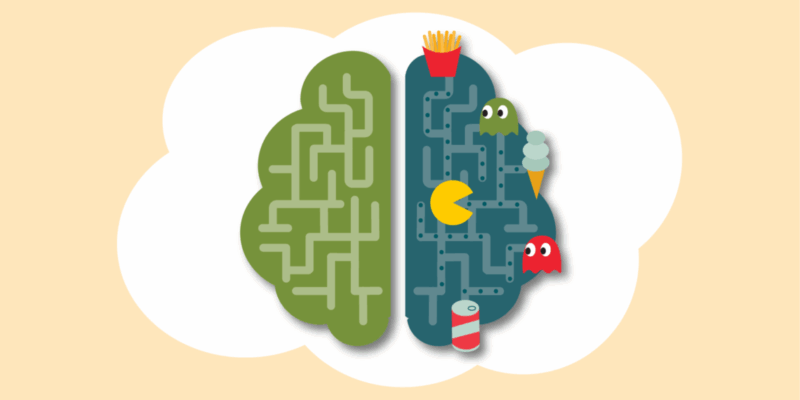
At SkillTeam, we help organizations make that shift. Together with MobieSkill, we design digital learning solutions that turn training into real, measurable impact. Our approach is grounded in three principles:
- Bite-sized, habit-forming learning – Microlearning that fits seamlessly into daily work routines.
- Engagement that drives action – Gamified challenges and instant feedback that motivate continuous improvement.
- Data-driven development – Analytics that track learning progress and translate it into performance outcomes.
This approach is not just about helping people learn faster, it’s about helping organizations grow smarter.
Building a culture of learning that lasts
If you look at the most successful organizations those with strong cultures, adaptable teams, and high retention rates they all share one thing in common: they treat learning as a continuous journey.
They know that training isn’t a checkbox; it’s a conversation that never ends. They create spaces for reflection, tools for practice, and systems that reward curiosity. Over time, that consistency compounds into a culture of excellence.
So the next time you plan a training program, don’t start with the topic. Start with the transformation you want to see.
What should your employees do differently after learning?
How will they apply it, measure it, and sustain it?
When those questions lead the process, training stops being a cost and becomes one of the most powerful levers for growth.
SkillTeam empowers Vietnamese organizations to build learning ecosystems that truly work, integrating microlearning, engagement, and measurement through platforms like MobieSkill.
If you’re ready to transform your company’s training into real behavior change, contact our team to learn how we can help you build the foundation for a smarter, stronger workforce.